
7 Energy-Efficient Home Upgrades to Save Money Boost Value and Cut Carbon

Energy waste is often quiet. It slips through attic gaps, older windows, outdated appliances, and rooms that stay too hot or too cold no matter how the thermostat is set. The good news is that many fixes are practical, proven, and easier to phase in than a full remodel.
These seven upgrades can lower utility bills, reduce household carbon emissions, and make a home more attractive to future buyers. Start with the changes that solve your biggest comfort problems, then build from there.

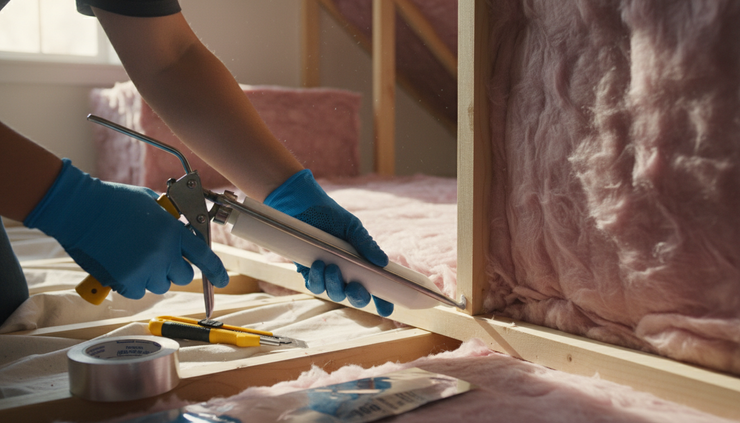
1. Seal air leaks and strengthen insulation
Heating and cooling usually take up a large share of home energy use. If conditioned air escapes through the attic, crawl space, basement, ducts, or gaps around doors, the HVAC system has to work harder.
Better insulation and air sealing can improve comfort fast. It can also reduce drafts, hot rooms, and cold floors.
Practical tips:
Check the attic first, since heat loss often shows up there.
Seal gaps around plumbing lines, recessed lights, chimneys, and wiring penetrations before adding insulation.
Use weatherstripping around exterior doors and caulk around window trim.
Ask about recommended insulation levels for your climate zone before buying materials.
Why it matters
Lower heating and cooling demand means lower monthly bills and fewer emissions from electricity or fuel use. Buyers also notice homes that feel comfortable in every season.
2. Upgrade to high-efficiency windows and doors
Old single-pane windows and poorly sealed doors can make a home feel uncomfortable even when the HVAC system runs constantly. Replacing them with efficient models can reduce heat transfer and help control indoor temperatures.
If full replacement is not in the budget, there are still useful steps. Storm windows, cellular shades, door sweeps, and fresh caulk can make a real difference.
Practical tips:
Look for low-emissivity glass, often called low-E glass.
Choose windows suited to your region, since hot and cold climates have different needs.
Seal the frame carefully during installation.
Replace warped exterior doors if they no longer close tightly.
Why it matters
Efficient windows and doors can improve curb appeal as well as performance. That combination can support resale value, especially when buyers compare move-in ready homes.
3. Choose energy-efficient appliances
Refrigerators, washers, dryers, dishwashers, and water heaters all draw energy year after year. When an older appliance is near the end of its life, replacing it with an efficient model can reduce operating costs without changing daily habits.
The best time to upgrade is often when repairs become frequent or performance drops. A refrigerator that runs constantly or a dryer that needs extra cycles may cost more than it appears.
Practical tips:
Look for the ENERGY STAR label when comparing models.
Match appliance size to real household needs.
Use cold water settings on clothes washers when possible.
Clean dryer vents and refrigerator coils so appliances do not waste energy.
Why it matters
Efficient appliances reduce electricity and water use. They also make kitchens and laundry spaces look more current, which can help a home feel better maintained.
4. Install a smart thermostat
A smart thermostat helps reduce wasted heating and cooling by adjusting temperatures based on schedules, occupancy, and preferences. It is especially useful for households that are away during the day or have changing routines.
The savings come from small automatic changes. For example, the system can ease back while the home is empty, then return to a comfortable setting before people arrive.
Practical tips:
Place the thermostat away from direct sunlight, vents, and exterior doors.
Use schedules instead of constant manual changes.
Set temperature ranges that balance comfort and savings.
Check monthly energy reports if the thermostat provides them.
Why it matters
Smart home technology is increasingly expected in updated homes. A smart thermostat is a simple, visible upgrade that signals efficiency without requiring major construction.
5. Switch to LED lighting
LED bulbs use much less energy than traditional incandescent bulbs and last far longer. This is one of the easiest upgrades because it can happen room by room.
Start with high-use areas such as kitchens, living rooms, porch lights, bathrooms, and home offices. Outdoor fixtures are also good candidates, especially if lights stay on for security.
Practical tips:
Choose warm white bulbs for living spaces and brighter daylight tones for task areas.
Use dimmable LEDs only with compatible dimmer switches.
Add motion sensors in garages, laundry rooms, and closets.
Replace exterior bulbs with weather-rated LEDs.
Why it matters
LEDs cut electricity use and reduce the number of bulbs sent to the landfill. Updated lighting can also make a home feel cleaner, newer, and more inviting.

6. Improve water heating efficiency
Water heating is another major energy user. Older tank water heaters can lose heat throughout the day, while inefficient fixtures waste both water and energy.
There are several ways to improve performance. Some homes benefit from a heat pump water heater or a high-efficiency unit. Others can start with lower-cost improvements.
Practical tips:
Set the water heater to a safe, efficient temperature.
Insulate accessible hot water pipes.
Fix leaks quickly, especially at hot water taps.
Install low-flow showerheads and faucet aerators.
Consider a heat pump water heater when replacement time comes.
Why it matters
Using less hot water lowers energy demand and reduces strain on local water systems. A newer efficient water heater can also be a selling point during inspections.
7. Add solar panels or prepare for solar
Solar panels are one of the most visible energy-efficient home upgrades. They can lower electric bills, reduce reliance on fossil fuels, and appeal to buyers who want lower long-term operating costs.
Solar is not right for every roof. Shade, roof age, orientation, utility rates, and local rules all matter. If panels are not practical now, a solar-ready electrical panel or conduit can make a future installation easier.
Practical tips:
Review at least a full year of electric bills before sizing a system.
Check roof condition before installation.
Ask how warranties, maintenance, and ownership structure work.
Compare buying, financing, and leasing carefully.
Consider battery storage if outages are common in your area.
Why it matters
Solar can be a strong value feature when installed well and documented clearly. Keep permits, warranties, and performance records with other home documents.

Start with the upgrade that solves the biggest problem
The best energy plan starts with observation. Which rooms feel drafty? Which bills spike each season? Which appliances are old, loud, or unreliable? Those clues point to the upgrades that can pay off first.
For many homes, the smartest order is simple: seal and insulate first, improve HVAC controls next, then replace aging systems and appliances as needed. Larger investments like windows and solar can follow when the timing and budget make sense.
Every improvement helps. A tighter home wastes less energy. Efficient equipment uses less power. Smarter controls prevent needless heating and cooling. Together, these choices can save money, cut carbon, and make a home more comfortable for years to come.


Comments