
What to Do When a Home Inspection Reveals Problems

A home inspection can change the whole deal. One report may turn excitement into doubt, especially when it points to safety risks, costly repairs, or hidden damage.
The goal is not to panic. The goal is to understand the problem, price the risk, and decide what comes next.
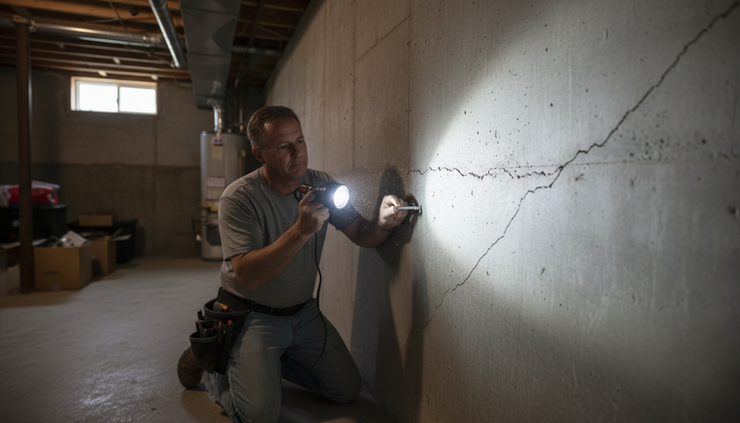
Common problems found during a home inspection
Most inspections find something. Many issues are minor. Loose outlets, worn weatherstripping, aging appliances, and small drainage concerns are common.
Other findings need more attention.
Structural damage can include foundation cracks, sagging floors, roof framing problems, or signs of settling. Not every crack means disaster. Still, structural concerns deserve review by a qualified contractor or structural engineer.
Plumbing issues may include leaks, low water pressure, old pipes, slow drains, water heater problems, or signs of past water damage. Plumbing problems can lead to mold, damaged flooring, and higher repair costs if ignored.
Electrical concerns can include outdated panels, exposed wiring, missing GFCI outlets, double-tapped breakers, or unsafe DIY work. These issues matter because they affect safety and insurance.
Other common inspection findings include:
Roof wear or active leaks
HVAC systems near the end of their useful life
Poor grading or drainage around the home
Pest damage
Window or door defects
Unsafe stairs, decks, or railings
The inspection report is a tool. It gives the buyer facts before closing. It also gives both sides a chance to solve problems before they become bigger disputes.
Decide how serious the issue is
Not every defect should become a dealbreaker. Start by separating findings into three groups.
Minor repairs
Small fixes like loose hardware, cracked caulk, or a missing switch plate. These rarely justify major negotiation.
Specialist review needed
Issues the inspector flags but cannot fully diagnose, such as foundation movement, roof life, sewer line condition, or suspected mold.
Major concerns
Problems that affect safety, structure, major systems, or the home’s long-term value. These need careful review.
Unknown cost items
Problems that could be simple or expensive. Get estimates before making a demand.
Ask for clarification if the report uses strong wording. Inspectors often describe risk, not repair cost. A phrase like “further evaluation recommended” means the inspector wants a specialist to give a clear answer.
Get repair estimates when the issue is large. A buyer should not rely on guesses for a roof, electrical panel, sewer line, or foundation repair. A written estimate makes negotiations cleaner.

Buyer options after inspection problems appear
When a home inspection reveals problems, buyers usually have several choices. The exact options depend on the purchase contract, inspection contingency, local rules, and deadlines. This article is informational only, not legal advice.
Ask the seller to make repairs
This works best for safety issues, code-related items, or problems that affect financing or insurance. Examples include exposed wiring, active leaks, or damaged handrails.
Be specific. Instead of asking the seller to “fix plumbing,” ask for repair by a licensed plumber and receipts before closing.
Ask for a seller credit
A credit lets the buyer handle repairs after closing. Many buyers prefer this because they can choose the contractor and scope of work.
Credits must fit lender rules. Some loan programs limit how credits can be used. Check with the lender before making this request.
Renegotiate the purchase price
A price reduction can make sense when the home needs a large repair, but the buyer is willing to take it on. This may work better than a repair request if closing is close or the seller cannot schedule work in time.
Accept the property as is
This may be reasonable when the issues are minor or the home was priced with condition in mind. Buyers should do this only after understanding the cost and risk.
Walk away from the deal
If the contract allows it, walking away may be the right choice when the repair burden is too high. This is especially true for major structural problems, unsafe electrical systems, extensive water damage, or repair costs that exceed the buyer’s comfort level.
Tips for buyers during negotiation
Stay focused on facts. A long list of small items can weaken the request. Lead with the problems that matter most.
Use this approach:
Prioritize safety and major systems
Ask first about structure, roof, plumbing, electrical, HVAC, and water intrusion.
Get written estimates
A quote from a contractor carries more weight than a guess.
Watch the deadlines
Inspection periods are short. Missing a deadline can limit options.
Keep emotion out of the response
The report may feel personal, but negotiation works best when it stays practical.
Talk with the agent and lender before agreeing
Credits, repairs, and price changes can affect the loan, appraisal, and closing timeline.
Buyers should also avoid asking for upgrades. An inspection is not a wish list. It is a review of the home’s current condition.

Tips for sellers when inspection issues come up
Sellers should expect findings. Even well-kept homes have defects.
The best response is calm and practical.
Before listing, sellers can reduce surprises by fixing known issues. Repair active leaks, service HVAC systems, replace broken outlets, and handle safety hazards. Keep receipts.
After the inspection, review the buyer’s request carefully. Focus on reasonable repair items, not cosmetic complaints.
Good seller options include:
Agreeing to specific repairs by licensed pros
Offering a credit instead of managing repairs
Reducing the price when a major issue is confirmed
Providing past repair records or warranties
Rejecting requests that go beyond the condition of the home
Do not hide known defects. Disclosure rules vary by state, but honesty protects everyone. A failed deal can hurt, but a dispute after closing can be worse.
FAQ
Can a buyer back out after a bad inspection?
Yes, if the contract includes an inspection contingency and the buyer acts within the deadline. The exact rights depend on the contract and local law.
Should the seller fix everything on the inspection report?
No. Most reports include minor items. Sellers usually focus on safety issues, major defects, and problems that could affect financing or insurance.
Is a seller credit better than repairs?
Often, yes. A credit gives the buyer control after closing. Repairs may be better when the issue must be fixed before the loan can close.
What if the seller refuses to negotiate?
The buyer can accept the home as is, make a new offer, or walk away if the contract allows. The best choice depends on the cost and seriousness of the issues.

The best next step is a clear plan
Inspection problems do not always end a home sale. They do require a careful response.
Buyers should confirm the facts, price the repairs, and make a clean request. Sellers should respond with records, reasonable solutions, and clear timelines.
If inspection findings have raised questions about a current or upcoming purchase, contact Greg Sorah Homes for guidance. A steady plan can protect the deal, or help you walk away with confidence.


Comments